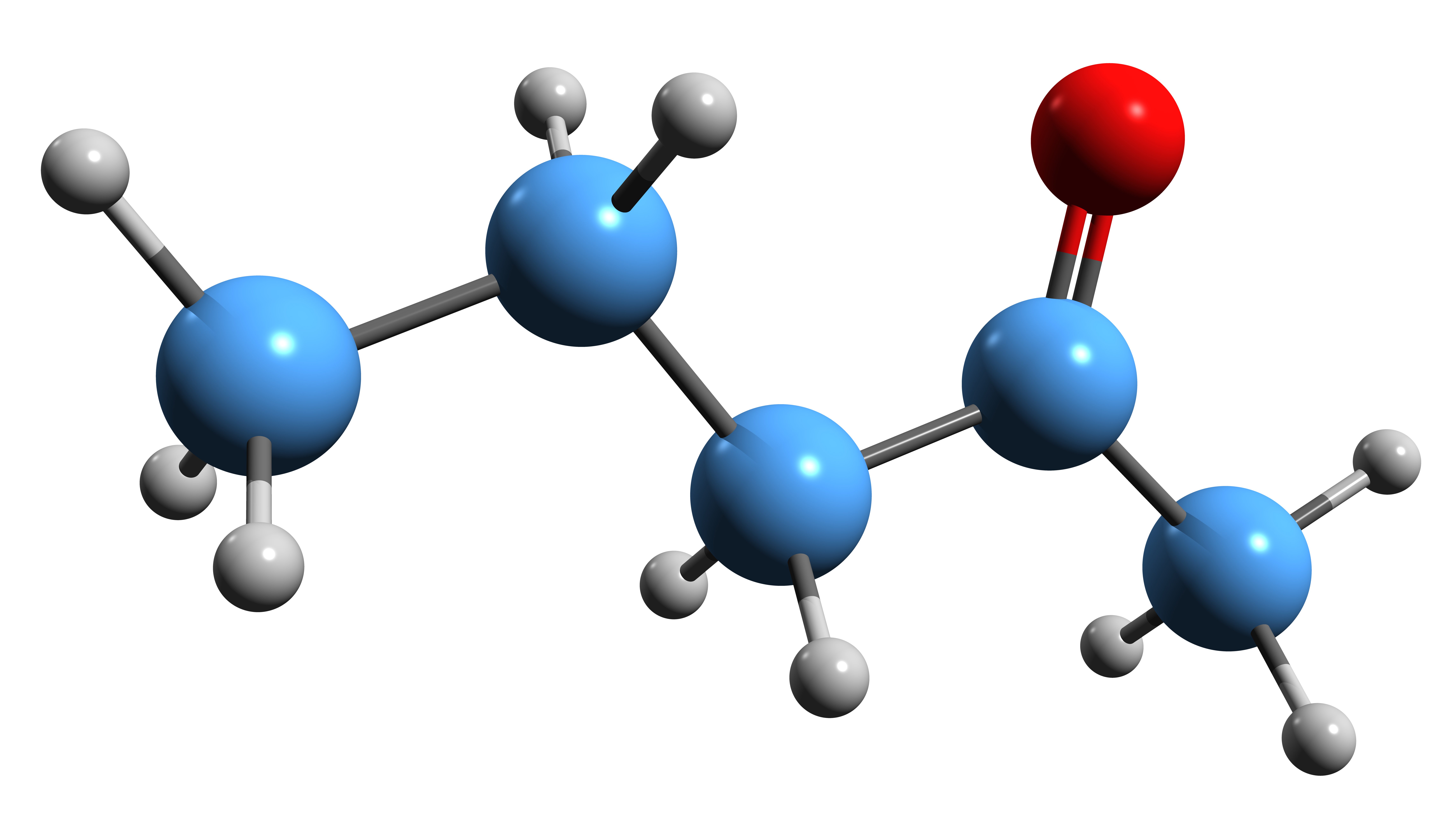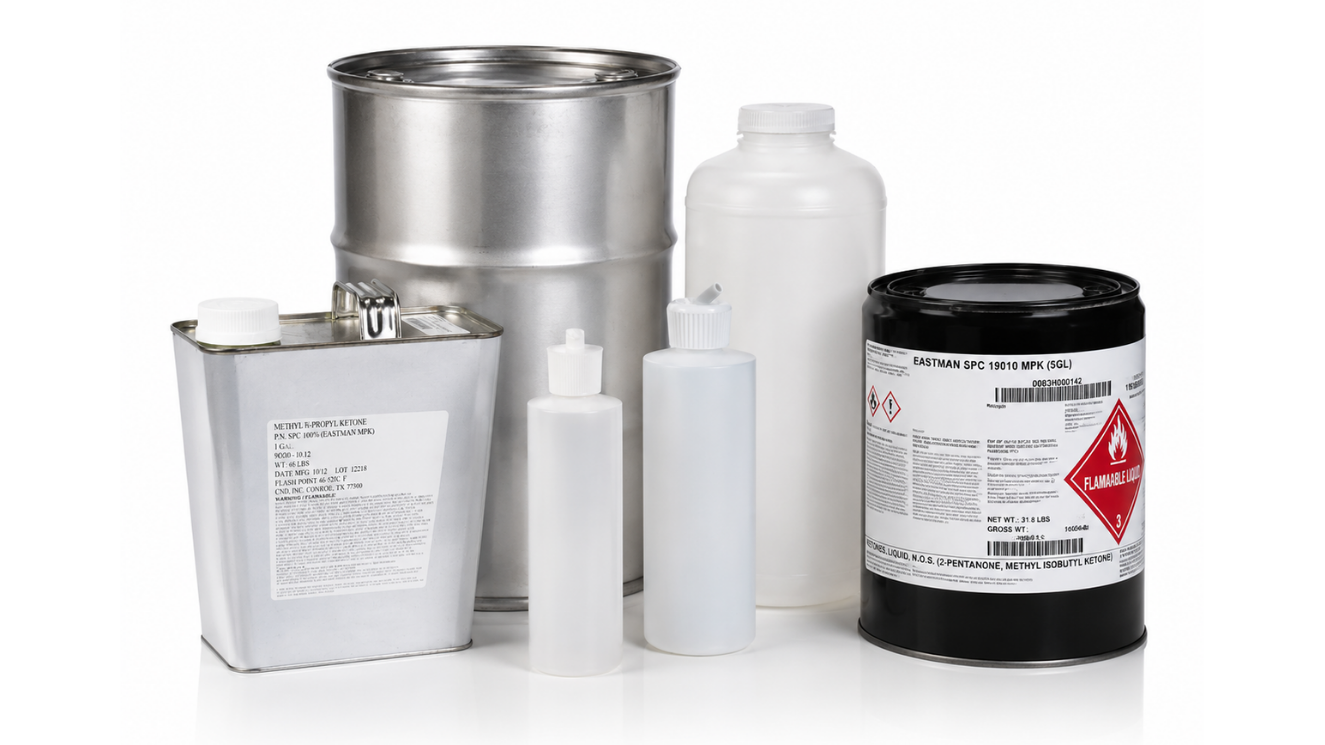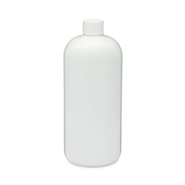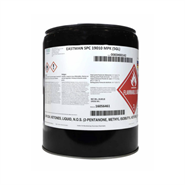


Choosing the right solvent is a balance of performance, safety, and compliance. As manufacturers move away from higher-hazard options, methyl n-propyl ketone (MPK) has become a practical replacement in coatings, adhesives, cleaning, and surface preparation. This guide explains what MPK is, how it compares to methyl ethyl ketone (MEK), where it delivers the most value, and what to consider when sourcing it.
What Is Methyl n-Propyl Ketone (MPK)?
Methyl n-propyl ketone (MPK), also known as 2-pentanone, is a clear, colorless ketone solvent with a strong solvency for resins, coatings, and adhesives. It sits in the same solvent family as acetone and MEK but carries a higher flash point and lower volatility, which changes how it behaves on the shop floor.
In practical terms, MPK dissolves a broad range of resins and polymers, evaporates at a controlled rate, and leaves a clean finish, making it a versatile fit for formulation and cleaning work. GracoRoberts supplies Eastman MPK as an authorized Eastman distributor with global repackaging rights.
MPK vs. MEK: Why the Switch
MPK is most often discussed as an alternative to MEK. The two share strong solvency, but MPK offers meaningful advantages for handling, worker safety, and regulatory compliance.
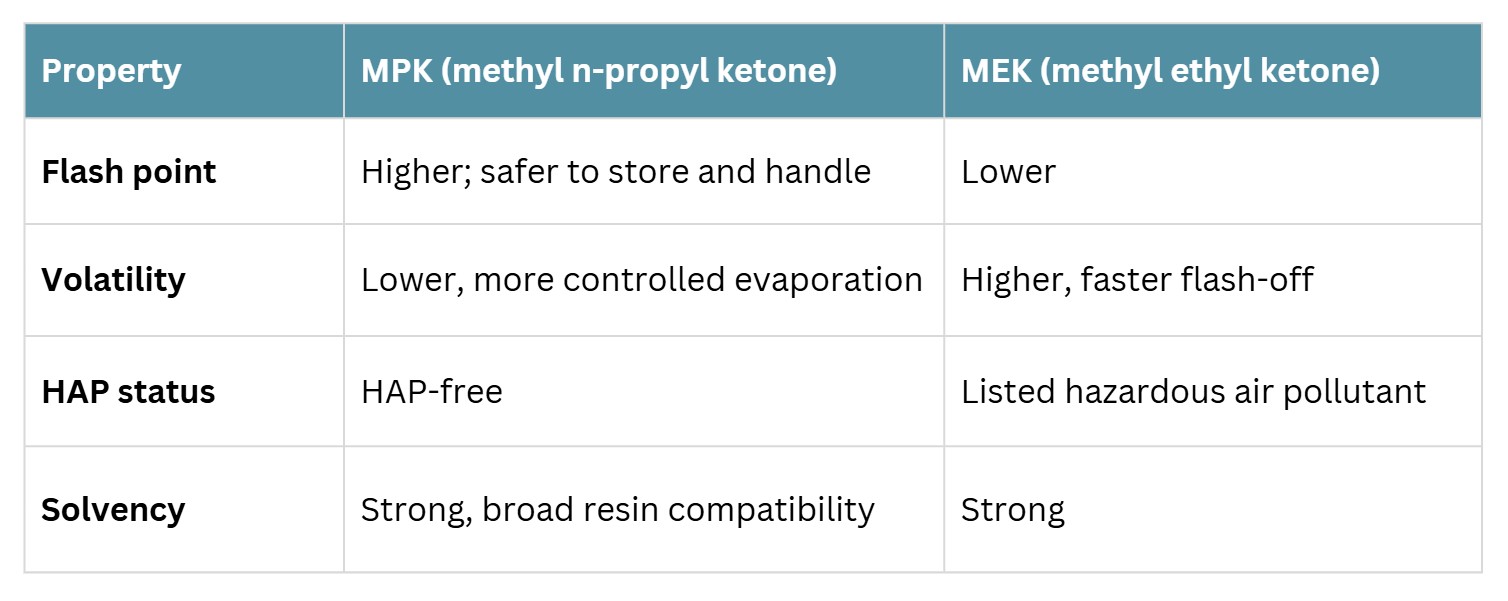
The headline differences: MPK's higher flash point reduces flammability risk in storage and use, its lower volatility gives formulators more control over evaporation and reduces solvent loss, and its HAP-free status simplifies air-quality compliance where hazardous air pollutants are regulated. For many operations, that combination lowers risk without giving up solvency.