Quick View
Please Note: This Manufacturer Part Number is specific to an OEM specification. Customers MUST select the related specification from the right hand side. Selecting "Manufacturers Certification" will not lead to the correct paperwork being supplied as standard OEM certification is not available for this product.

The 3M MRO Essentials Guide features a curated portfolio of high-use materials trusted by maintenance, repair, and overhaul teams to help keep aircraft flying safely and efficiently. These proven solutions support critical maintenance tasks while helping reduce downtime, streamline repairs, and extend overall fleet performance. With solutions spanning surface protection, adhesives, sealants, and pre-treatments, 3M delivers a broad range of solutions already approved for use on Airbus A320 and Boeing 737 platforms. By ensuring reliable access to these high-use, OEM-approved materials, MRO providers can accelerate maintenance workflows, improve turnaround times, and return aircraft to flight faster.
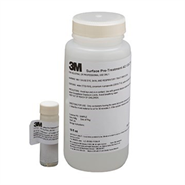
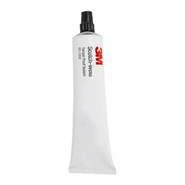
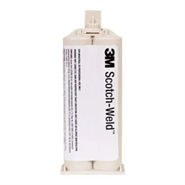
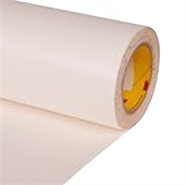
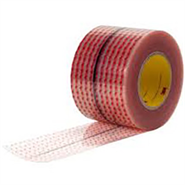
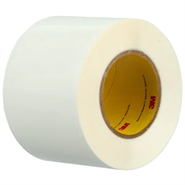

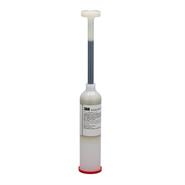
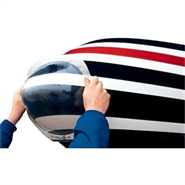

The 3M MRO Essentials Guide features a curated selection of high-use aerospace materials trusted by maintenance, repair, and overhaul (MRO) professionals. The portfolio includes aerospace adhesives, sealants, surface pre-treatments, and protective tapes designed to support efficient aircraft maintenance while reducing downtime and improving return-to-service times.
The products featured in this guide include materials approved for use on Boeing 737 and Airbus A320 aircraft platforms. These high-use solutions support routine maintenance, structural repairs, corrosion prevention, and surface protection in commercial aviation.
The 3M MRO Essentials portfolio includes a wide range of aircraft maintenance materials, including:
Aerospace adhesives Structural repair compounds Aerospace sealants Surface pre-treatment solutions Polyurethane protective tapes Protective boots Contact adhesives Tamper-proof sealants
These products help maintenance teams complete repairs efficiently while maintaining compliance with OEM specifications.
Surface pre-treatment products such as 3M AC-130-2 and 3M AC-131 improve surface preparation before bonding or sealing. Proper surface preparation enhances adhesive performance, promotes long-term bond durability, and helps protect against corrosion.
3M polyurethane protective tapes help protect aircraft surfaces from erosion, abrasion, fluid exposure, UV degradation, and environmental wear. They are commonly applied to leading edges, radomes, rotor blades, fairings, and other high-wear areas to extend component life and reduce maintenance costs.
Popular products featured in the 3M MRO Essentials Guide include 3M Scotch-Weld™ EC-2216 Epoxy Adhesive, EC-9356 FST Structural Adhesive, and RP-2110 Repair Paste. These materials are widely used for aircraft structural repairs, composite bonding, and interior maintenance applications.
3M aerospace sealants provide durable sealing against moisture, fuels, hydraulic fluids, and harsh environmental conditions. They help prevent corrosion, protect aircraft structures, and maintain long-term reliability in demanding aerospace applications.
Yes. The 3M MRO Essentials Guide features high-use materials approved for use on Airbus A320 and Boeing 737 platforms. Always verify the applicable aircraft maintenance manual (AMM), component maintenance manual (CMM), or OEM documentation to ensure the selected product meets your specific application requirements.
By stocking commonly used 3M aerospace materials, maintenance organizations can reduce sourcing delays, streamline repair workflows, minimize aircraft downtime, and return aircraft to service more quickly. Reliable access to approved materials also helps improve planning for both scheduled maintenance and AOG situations.
GracoRoberts is an authorized distributor of 3M aerospace products, providing OEM-approved materials backed by technical expertise and dependable supply. With a broad inventory of high-use MRO products, responsive customer support, and decades of experience serving the aerospace industry, we help manufacturers, airlines, and MRO facilities source the materials they need to keep aircraft flying.