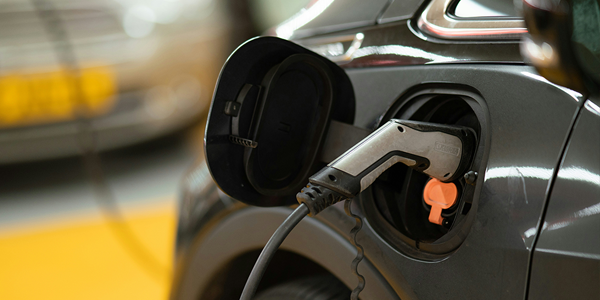
Material Solutions for Electric Vehicles
Electric vehicle manufacturers face unique challenges in weight reduction, heat management, and safety compliance. GracoRoberts delivers material solutions for electric vehicles, including adhesives, coatings, and composites, designed to meet these demands - from battery-safe adhesives to high-temperature sealants and lightweight structural composites. Our materials support EV assembly processes, improve thermal stability, and ensure long-term durability in high-performance environments.
With the rapid pace of EV innovation, we provide proven materials for bonding battery housings, sealing powertrain components, and protecting high-voltage systems. Our thermal interface materials enhance battery cooling efficiency, while our lightweight composites help extend vehicle range. We partner with OEMs and suppliers to meet rigorous safety and performance requirements, offering both off-the-shelf and custom solutions. Explore our EV materials and thermal coatings to drive your next project forward.
Why Composites Matter in EV Manufacturing
Lightweight, durable composites and protective coatings help address core EV manufacturing priorities such as weight reduction, thermal stability, and long-term durability. By reducing overall vehicle weight, composite structures can support improved efficiency and range, while offering benefits like corrosion resistance, impact strength, and flame-retardant performance in demanding environments.
Common EV Components That Use Advanced Materials
Depending on the design and performance requirements, material solutions are often used in and around battery enclosures and housings, motor and drivetrain components, structural panels, roofs, door frames, underbody structures, and charging-related components. GracoRoberts supports these applications with adhesives, sealants, insulation coatings, thermal interface materials, and lightweight composite options to help teams select the right materials for each assembly and operating condition.
Electric Vehicle Materials FAQ
Why are composites important in EV manufacturing?
Composites help EV manufacturing teams reduce weight while maintaining strength and durability, which can support efficiency and range goals. They also offer performance advantages in demanding environments, including corrosion resistance and stability under heat and vibration.Which EV components commonly use composites and advanced materials?
Depending on the vehicle design, composites and related materials are often used in and around battery enclosures and housings, structural panels, underbody structures, roofs, and select motor or drivetrain components. Adhesives, sealants, and coatings also play key roles in bonding, sealing, insulation, and protection across high-voltage systems.How do thermal management materials support EV battery performance?
Thermal management materials, including thermal interface materials, help transfer heat away from battery cells and electronics to support more stable operating temperatures. This can improve cooling efficiency and help support battery performance and service life.How does GracoRoberts support EV manufacturers with material selection?
GracoRoberts supports EV manufacturers with material selection guidance and application-specific recommendations for bonding, sealing, insulation, and thermal management needs. Teams can source proven products for EV assemblies and request support when requirements call for specialized performance.