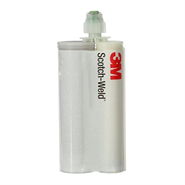
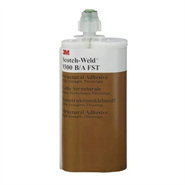
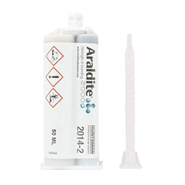
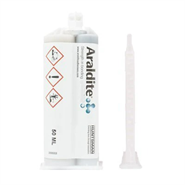
Automotive Adhesives, Sealants & Coatings
GracoRoberts supports automotive OEMs, tier suppliers, and aftermarket specialists with automotive adhesives, sealants, and coatings engineered for performance and longevity. Our solutions include OEM-approved structural adhesives, corrosion-resistant coatings, and high-temperature sealants for engines and exhaust systems. Designed to handle vibration, extreme temperatures, and environmental exposure, our products help improve vehicle safety and durability.
From lightweight bonding in EV chassis to sealing traditional internal combustion components, our materials meet modern manufacturing demands. We can supply automotive adhesives compatible with aluminum, carbon fiber, and high-strength steels, along with coatings that withstand years of road salt and moisture. With reliable supply chains and technical support, we keep your production lines running smoothly. Explore our automotive materials and corrosion protection solutions to enhance your builds.
Why Use Automotive Adhesives Instead of Welding or Fasteners
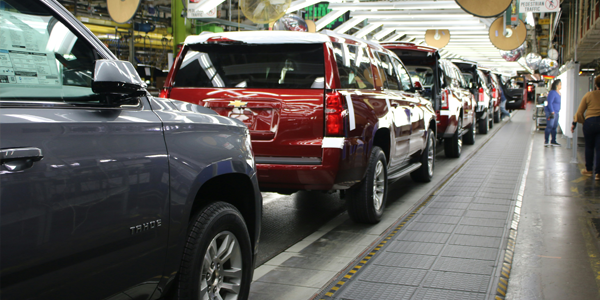
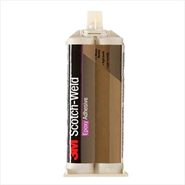
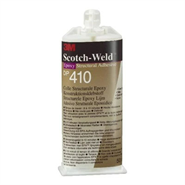
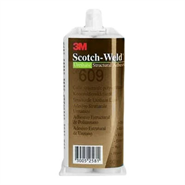
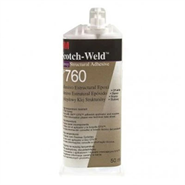
In many assemblies, automotive adhesives can complement or replace welding and mechanical fasteners by distributing stress more evenly across joints and supporting consistent bonding across mixed materials. This can help improve long-term joint durability, reduce localized heat distortion compared to welding, and support lightweight vehicle design goals.Structural Adhesives Automotive Applications
Automotive adhesives and structural bonding solutions are used across critical assembly points where strength, durability, and multi-material compatibility matter most. These are common examples of adhesives used in the automotive industry across OEM and tier supplier assembly workflows. Common automotive applications include:
- Body-in-White (BIW): Bonding and reinforcing vehicle body structures to support design flexibility and light weighting.
- Chassis and structural joints: Strengthening joints exposed to vibration and impact for long-term durability.
- Glass assembly: Supporting consistent bonding for windshields and fixed glass components.
- EV battery module and pack integration: Supporting scalable assembly for modern electric vehicle platforms.
Automotive Adhesives FAQs
What is an automotive-grade adhesive?
An automotive-grade adhesive is engineered to perform under conditions like vibration, temperature cycling, moisture, and exposure to chemicals or road contaminants. Selection typically depends on substrates, service environment, and production process requirements.What are the main benefits of using structural adhesives in automotive manufacturing?
Structural adhesives can support strong multi-material bonding, design flexibility, and reduced reliance on mechanical fasteners in certain assemblies. In many structural joint applications, they help distribute stress across the bond line, support lightweighting goals, and improve durability in vibration-prone environments.Where are structural adhesives used in automotive manufacturing?
They are commonly used in body structures, chassis bonding points, reinforcement areas, and mixed-material joints where aluminum, steel, plastics, or composites must be joined reliably. Specific selection depends on joint design and service conditions.Which automotive applications are structural adhesives suitable for?
They are commonly specified for BIW bonding and reinforcement, chassis and structural joint bonding, select glass bonding applications, and mixed-material assemblies. Suitability depends on substrates, environmental exposure, and manufacturing process needs.How are automotive adhesives used in EV battery module and pack assembly?
In EV programs, automotive adhesives and sealants may be specified for battery-related assemblies, including module and pack integration, where consistent bonding and scalable assembly processes are important. Requirements vary based on substrates and the build environment.